(Blog Post)
Author
[Daniel Chen]
Published
Category
[GUIDES]
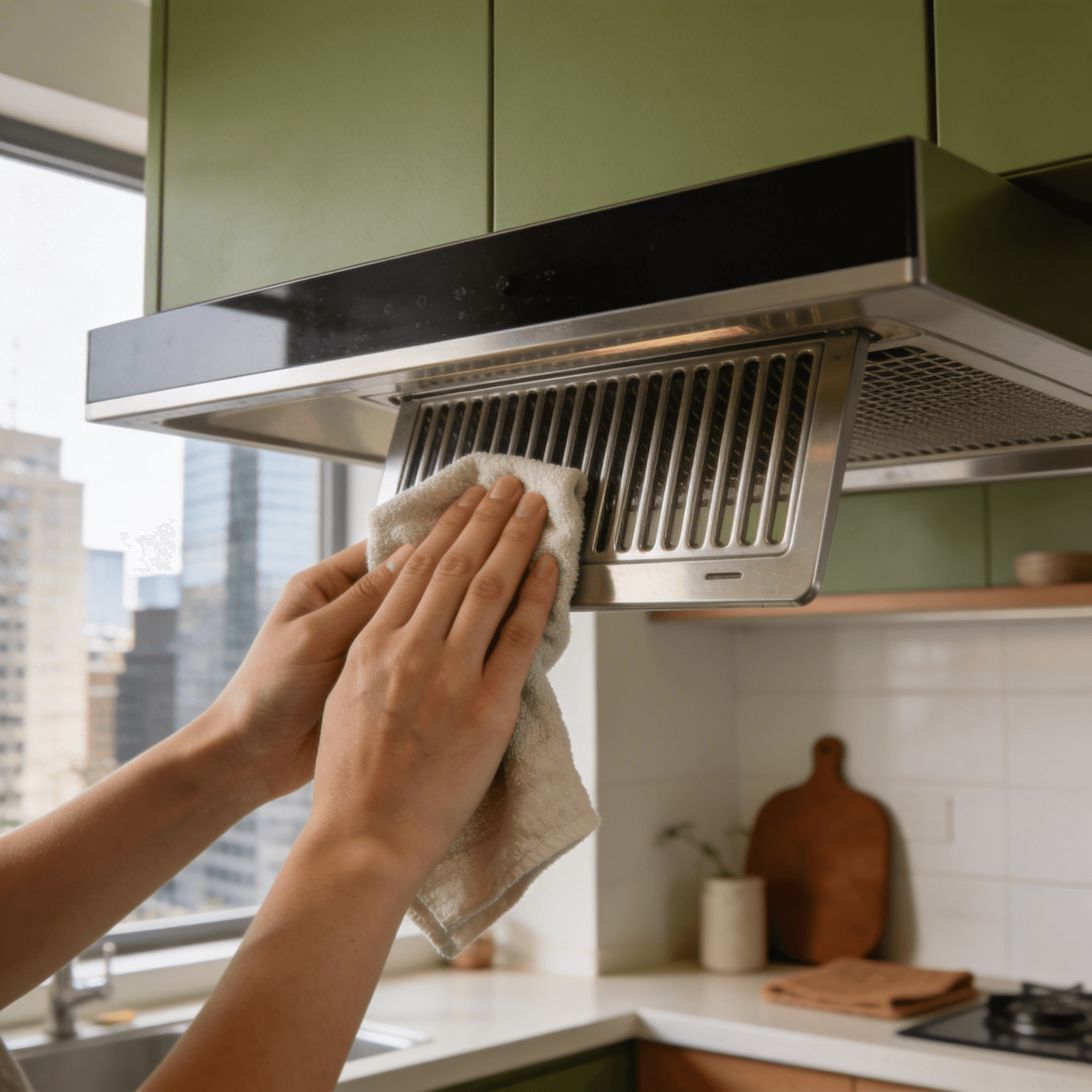
Home maintenance is usually not about big renovations. It’s the small, routine tasks that quietly protect your home from damage and unnecessary expenses. Many homeowners overlook these until a minor issue becomes a major repair.
This blog highlights common maintenance tasks that are often forgotten and explains why taking care of them early makes a real difference.
Why routine maintenance gets ignored
Most maintenance tasks don’t fail loudly. They slowly wear down while everything still appears “fine,” which makes them easy to delay.
Busy schedules and low urgency
When something still works, it naturally drops down the priority list. Daily life takes over, and maintenance tasks get postponed again and again.
Problems that develop out of sight
Many issues happen in hidden areas like under sinks, behind appliances, or inside cabinets. Without visible signs, they’re easy to miss.
“Homes rarely fail suddenly — they deteriorate quietly when small warnings are ignored.”
Commonly overlooked maintenance tasks
The tasks below are simple but play an important role in keeping your home safe and functional. Addressing them regularly can prevent larger repairs later.
Checking door and cabinet hardware
Doors and cabinets are used daily, which causes screws and hinges to loosen over time. If left unattended, this can lead to misalignment or damage to frames.
Before the checklist, here’s the context: loose hardware creates extra stress on surrounding materials and shortens their lifespan.
Tightening loose hinges
Securing door handles
Adjusting cabinet alignment
Inspecting under-sink plumbing
Small leaks often begin slowly and silently. Moisture buildup under sinks can damage cabinets and flooring before you notice anything is wrong.
Before the early signs, here’s what to keep in mind: a slow leak can cost more through secondary damage than the plumbing fix itself.
Damp cabinet surfaces
Faint musty odors
Minor water stains
Refreshing bathroom and kitchen sealant
Caulk and grout protect walls and floors from moisture. Once they crack or shrink, water can seep into areas that are hard to dry.
Before the signs list, here’s the key point: sealant is cheaper to replace than tile, drywall, or cabinetry.
Cracked caulk lines
Darkened grout sections
Loose tile edges
Testing smoke and carbon monoxide alarms
These devices are easy to forget because they don’t get used daily. But when you need them, you need them to work immediately.
Before the quick checklist, here’s the context: a two-minute test can prevent life-changing risk.
Press the test button monthly
Replace batteries on schedule
Check the unit’s expiry date
A simple schedule you can actually follow
A maintenance schedule only works if it fits real life. The idea is not perfection, it’s consistency.
Weekly quick scan
A weekly scan helps you catch problems early without turning your weekend into a project.
Before the list, here’s the context: a 5-minute routine is easier than a surprise repair.
Check under sinks for moisture
Look for new stains or peeling paint
Listen for unusual fan or faucet sounds
Monthly maintenance check
Monthly checks help you stay ahead of wear and tear that builds slowly.
Before the list, here’s what this prevents: avoidable damage caused by small loose parts and slow leaks.
Tighten key handles and hinges
Test alarms and replace batteries if needed
Inspect sealant around sinks and tubs
Seasonal refresh
Seasonal checks are best for tasks that change with weather and temperature.
Before the list, here’s the context: seasonal changes cause expansion, contraction, and moisture shifts.
Check windows and door seals
Inspect bathroom ventilation performance
Look for exterior gaps and drafts
Quick reference table for homeowners
Use this table as a simple guide for what to check and when.
Task | How often | What you’re looking for | Why it matters |
|---|---|---|---|
Door and cabinet hardware | Monthly | Loose hinges, misalignment | Prevents frame damage |
Under-sink plumbing | Weekly | Moisture, stains, odors | Avoids cabinet and floor damage |
Sealant and grout | Monthly | Cracks, gaps, darkening | Reduces mold and water intrusion |
Smoke/CO alarms | Monthly | Working test signal | Safety and compliance |
Drafts and gaps | Seasonal | Cold spots, visible gaps | Comfort and energy savings |
Final thought
Small tasks are not “small” when they protect your home from expensive repairs later. A little maintenance done consistently is one of the easiest ways to keep your home comfortable, safe, and cost-effective.

Author
Daniel Chen
Daniel specializes in guides and long-form home care articles. He enjoys breaking down complex repair topics into easy steps, helping homeowners feel confident about preparation, planning, and preventive maintenance.
Sign up for updates, deals, and maintenance tips.
(Other Blogs)